
NewsDetails
Daily Inspection and Maintenance of High-Viscosity Pumps
author:Tianyi Pump time:2026-06-24 16:00:33 Click:52
Daily Inspection and Maintenance of High-Viscosity Pumps
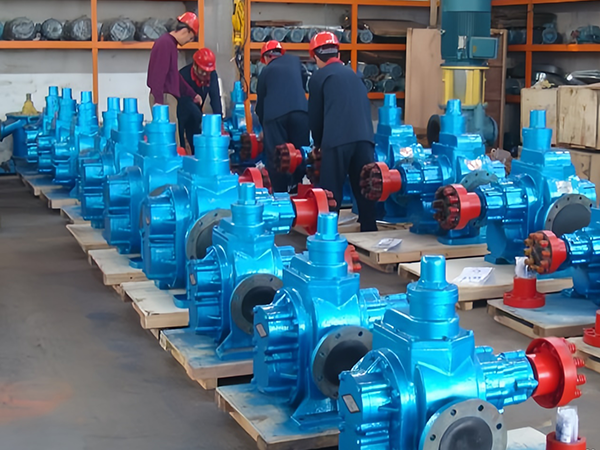
High-viscosity pumps such as Circular Arc Gear Pumps are widely used in petroleum, resin, asphalt, grease, syrup, and chemical slurry transfer systems. Because these media have high resistance to flow and often contain temperature-sensitive or impurity-laden characteristics, the pump operates under relatively high mechanical load. A structured daily inspection and maintenance routine is essential to ensure stable performance, reduce unexpected failures, and extend service life.
Visual Inspection of Leakage and Sealing Condition
Seal condition is one of the most important daily inspection items.
Operators should check mechanical seals, packing seals, flange joints, and pipeline connections for any signs of leakage or seepage. Even minor leakage may indicate early seal wear or improper pressure conditions.
Early detection of small leaks helps prevent major seal failure, product loss, and sudden shutdowns.
Seal temperature should also be monitored to identify abnormal friction or insufficient lubrication.
Monitoring of Pressure and Flow Stability
Stable pressure and flow are key indicators of normal pump operation.
Daily records of inlet and outlet pressure should be compared with baseline values. Sudden fluctuations may indicate suction blockage, internal wear, or relief valve malfunction.
Flow reduction is often an early sign of increased internal leakage or pipeline restriction.
Temperature and Overheating Check
High-viscosity operation often generates significant heat due to internal friction.
Pump body temperature, bearing temperature, and motor surface temperature should be checked regularly. Abnormal temperature rise may indicate overload, poor lubrication, or excessive system resistance.
Continuous overheating can accelerate seal degradation, bearing wear, and internal component failure.
Vibration and Noise Observation
Changes in vibration and noise are important indicators of mechanical condition.
Increased vibration may be caused by misalignment, bearing wear, cavitation, or uneven gear meshing. Abnormal noise often indicates internal friction or foreign particle interference.
Routine vibration monitoring helps detect early mechanical faults before serious damage occurs.
Lubrication System Check
Proper lubrication is essential for reliable pump operation.
Operators should ensure that bearings and coupling components are adequately lubricated. Oil condition should be checked for contamination, discoloration, or degradation.
Insufficient lubrication can quickly lead to overheating and mechanical failure.
Suction and Pipeline Condition Inspection
Suction conditions directly affect pump performance.
Check suction filters, strainers, and pipelines for blockage or contamination. Ensure all valves are fully open and no air leakage exists in the suction line.
Poor suction conditions are a leading cause of cavitation and flow instability in high-viscosity pump systems.
Electrical and Motor Load Monitoring
Motor current and voltage should be monitored to detect abnormal load conditions.
Sudden increases in current may indicate blockage, increased viscosity, or mechanical resistance. Frequent overload trips require immediate system inspection.
Electrical protection devices should be tested regularly to ensure reliable operation.
Fluid Condition and Temperature Control
Fluid viscosity is highly sensitive to temperature changes.
Daily checks should confirm that the medium remains within the required operating temperature range. If viscosity increases excessively, heating systems should be adjusted accordingly.
Contaminated or degraded fluid should be replaced or filtered to maintain stable performance.
Routine Cleaning and Preventive Maintenance
External cleaning of the pump body helps prevent corrosion and contamination buildup.
Filters and strainers should be cleaned or replaced regularly. Periodic tightening of bolts and inspection of mounting foundations ensures mechanical stability.
Preventive maintenance is significantly more effective than corrective repair after failure occurs.
Data Recording and Trend Analysis
Recording daily operating data such as pressure, temperature, vibration, and flow allows long-term performance analysis.
Trend monitoring helps identify gradual degradation before it leads to failure. This supports predictive maintenance strategies and reduces downtime risk.
Conclusion
Daily inspection and maintenance of high-viscosity pumps is essential for ensuring stable operation, reducing wear, and preventing unexpected failures. By systematically monitoring sealing condition, pressure stability, temperature, vibration, lubrication, and suction performance, operators can detect early warning signs and take corrective action promptly. A disciplined daily maintenance routine is the foundation of long-term reliability and efficient operation in high-viscosity pumping systems.
References
Hydraulic Institute Standards for Rotary Positive Displacement Pumps
Pump Handbook, Fourth Edition, McGraw-Hill Education
Machinery Lubrication and Reliability Engineering Manual
Industrial Pump Maintenance and Condition Monitoring Guide
API Recommended Practices for Pump System Reliability
 Recommended Products
 Contact us
—— Contact:Mr. Shi
—— Tel:+86 15612730683
—— Email:btclyb@163.com
—— Url:https://www.tianyi-pump.com
—— Address:260 meters east of Xiaoquan Village Committee, Bozhen, Botou City, Cangzhou City, Hebei Province