
NewsDetails
Comprehensive Inspection and Repair of Frequent Oil Leakage in Circular Arc Gear Pumps
author:Tianyi Pump time:2026-06-24 09:14:45 Click:86
Comprehensive Inspection and Repair of Frequent Oil Leakage in Circular Arc Gear Pumps
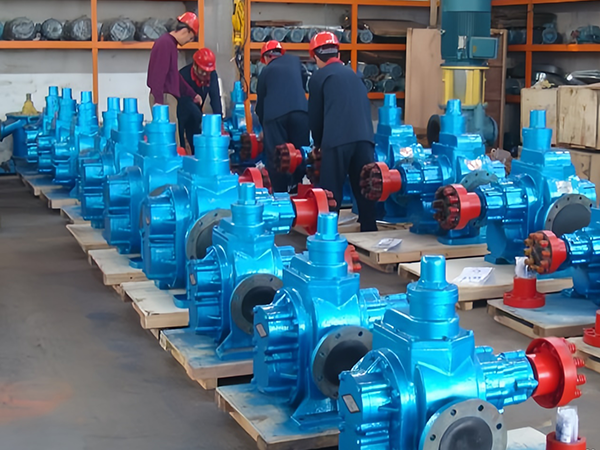
Circular Arc Gear Pumps are widely used in lubrication systems, petroleum transportation, hydraulic equipment, and industrial fluid handling applications. During long-term operation, oil leakage and seepage are among the most common faults encountered by operators. Besides causing product loss and environmental contamination, leakage may also reduce system pressure, affect operational efficiency, and increase maintenance costs. A systematic inspection approach is essential for identifying the root cause and restoring reliable performance.
Inspection of Mechanical Seals and Shaft Seals
Mechanical seals and shaft seals are the primary barriers preventing oil from escaping along the rotating shaft.
Aging, wear, hardening, cracking, or improper installation of sealing components are the most common causes of external leakage. High operating temperatures, pressure fluctuations, and inadequate lubrication can accelerate seal deterioration.
During inspection, technicians should examine seal faces for scoring, excessive wear, and thermal damage. Any damaged sealing elements should be replaced immediately to restore sealing integrity.
Examination of Gaskets and Static Sealing Surfaces
Leakage often occurs at flange connections, end covers, inspection ports, and pipe interfaces.
Over time, gaskets may lose elasticity due to compression, aging, or chemical exposure. Loose bolts can also reduce sealing pressure and create leakage paths.
All static sealing surfaces should be checked for scratches, corrosion, deformation, and uneven contact conditions. Damaged gaskets should be replaced, and fastening bolts should be tightened according to the recommended torque specifications.
Inspection of Pump Housing and End Covers
Cracks, casting defects, or corrosion damage in the pump casing may cause persistent oil seepage.
Particular attention should be paid to high-stress areas around threaded connections, flange joints, and mounting points. If structural defects are identified, repair or replacement of the affected component may be necessary.
Severely worn end covers can also increase internal leakage and contribute to overall pump performance deterioration.
Checking Shaft, Bearings, and Alignment
Bearing wear can indirectly lead to oil leakage by causing shaft movement and misalignment.
Excessive radial or axial shaft movement places additional stress on seals, accelerating wear and reducing sealing effectiveness. Technicians should inspect bearings for looseness, abnormal noise, overheating, and wear.
Shaft surfaces should also be examined for scoring, corrosion, or excessive wear in seal contact areas. Damaged shafts may require repair, sleeving, or replacement.
Evaluation of Operating Conditions
Improper operating conditions frequently contribute to leakage problems.
Excessive pressure, abnormal temperature rise, dry running, and frequent start-stop cycles can accelerate seal wear and increase leakage risk. Fluid properties should also be reviewed, as incompatible media may damage sealing materials.
Maintaining operating parameters within the manufacturer's recommended limits is essential for long-term sealing reliability.
Pipeline and Connection Inspection
External leakage may originate from the connected piping system rather than the pump itself.
Technicians should inspect threaded joints, flange connections, valves, flexible hoses, and auxiliary equipment for signs of oil seepage. Vibration-induced loosening is particularly common in continuously operating systems.
Proper support and alignment of pipelines can significantly reduce stress on pump connections and sealing components.
Preventive Maintenance Recommendations
A comprehensive maintenance program should include regular seal inspection, bearing monitoring, alignment verification, bolt tightening, and oil cleanliness management. Routine checks for pressure, temperature, vibration, and leakage trends help identify developing problems before major failures occur.
Early detection and timely replacement of worn components are the most effective methods for preventing recurring oil leakage and extending pump service life.
References
Hydraulic Institute Standards for Rotary Positive Displacement Pumps.
Pump Handbook, Fourth Edition, McGraw-Hill Education.
API Recommended Practices for Pump Maintenance and Reliability.
Mechanical Seal Installation and Troubleshooting Guide.
Machinery Lubrication and Industrial Equipment Maintenance Handbook.
 Recommended Products
 Contact us
—— Contact:Mr. Shi
—— Tel:+86 15612730683
—— Email:btclyb@163.com
—— Url:https://www.tianyi-pump.com
—— Address:260 meters east of Xiaoquan Village Committee, Bozhen, Botou City, Cangzhou City, Hebei Province