
NewsDetails
Optimization Measures for Unstable Pressure in Screw Pumps During Low-Speed VFD Operation
author:Tianyi Pump time:2026-06-24 16:20:44 Click:102
Optimization Measures for Unstable Pressure in Screw Pumps During Low-Speed VFD Operation
Screw pumps (including single, twin, and triple screw types) are widely used in lubrication systems, fuel transfer, hydraulic circulation, and high-viscosity media transport. When driven by a variable frequency drive (VFD) at low speed, a common problem is unstable discharge pressure, characterized by pressure fluctuation, pulsation, or inability to maintain steady output. This issue is mainly related to hydraulic filling instability, internal leakage increase, drive control characteristics, and system design limitations.
Reduced Volumetric Efficiency at Low Speed
At low rotational speed, the sealing chambers in screw pumps operate with reduced dynamic pressure formation.
The fluid velocity inside the pump decreases, making cavity filling less stable. Internal leakage becomes relatively more significant compared to output flow, resulting in pressure instability.
At low speed, volumetric efficiency drops and internal slip becomes more dominant, leading to unstable pressure behavior.
This is especially pronounced in worn pumps.
Incomplete Cavity Filling and Suction Instability
Low-speed operation increases sensitivity to suction conditions.
If suction piping resistance is high or air leakage exists, the pump chambers may not fully fill with liquid. This causes intermittent discharge and pressure fluctuation.
High-viscosity media at low temperature further aggravate filling instability.
VFD Control Parameter Mismatch
Improper VFD settings are a frequent cause of pressure oscillation.
Excessively low frequency operation may result in insufficient torque output or unstable motor electromagnetic performance. Inadequate PID tuning can also cause hunting or oscillatory behavior in pressure control systems.
Poorly tuned VFD control loops directly lead to pressure hunting and unstable system response.
Internal Wear and Increased Leakage
Clearance expansion due to wear reduces sealing efficiency between screw elements.
At low speed, the hydraulic sealing effect is weaker, and internal backflow becomes more pronounced, causing pressure fluctuations.
Worn bearings or misalignment can also introduce vibration that affects pressure stability.
Fluid Viscosity and Temperature Effects
Viscosity changes significantly influence low-speed performance.
At low temperature, fluid resistance increases, leading to uneven flow resistance in the pump chamber.
Non-Newtonian fluids may also exhibit inconsistent flow behavior under low shear conditions.
Gas Entrapment and Cavitation Phenomena
Entrained air or vapor in the suction line compresses and expands during operation, causing pressure oscillation.
At low speed, the pump is less capable of expelling gas bubbles, leading to unstable discharge pressure.
System Backpressure Instability
Fluctuating downstream demand or unstable valve operation can cause pressure feedback variation.
Relief valves or bypass systems that open and close frequently can introduce pressure oscillation into the system.
Pipeline Design and Hydraulic Resistance
Excessive pipeline length, small diameter, or too many bends increase resistance and cause uneven flow distribution.
At low speed, these effects become more pronounced due to reduced flow momentum.
Optimization Measures
Improve VFD Parameter Tuning
Adjust PID control parameters to stabilize pressure feedback response. Avoid overly aggressive gain that causes oscillation.
Ensure minimum frequency is set within the stable operating range of the pump.
Maintain Minimum Operating Speed
Avoid operating below the pump’s stable hydraulic range.
Each screw pump has a recommended minimum speed to ensure proper cavity filling and sealing.
Optimize Suction Conditions
Ensure airtight suction lines, clean strainers, and sufficient inlet pressure.
Reduce suction lift and improve pipe diameter if necessary.
Control Fluid Temperature and Viscosity
Implement heating systems for high-viscosity media to maintain stable flowability.
Avoid low-temperature startup without preheating.
Repair Internal Wear
Replace worn screws, bushings, or stators to restore sealing efficiency.
Reduce internal leakage to stabilize pressure output.
Improve Gas Removal Capability
Install air release valves or degassing devices in suction systems.
Ensure proper priming before startup.
Stabilize System Backpressure
Optimize relief valve settings and reduce frequent valve switching.
Use accumulators or dampers to smooth pressure fluctuations.
Optimize Pipeline Design
Increase pipe diameter, reduce elbows, and shorten suction lines where possible.
Ensure smooth and continuous flow path.
Preventive Strategy
Long-term stability requires continuous monitoring of pressure, vibration, and flow trends.
Condition-based maintenance helps detect early instability caused by wear or suction issues.
Stable low-speed operation depends on both hydraulic system integrity and correct VFD control strategy.
Conclusion
Pressure instability in screw pumps during low-speed VFD operation is caused by reduced volumetric efficiency, suction instability, internal wear, viscosity effects, gas entrainment, and improper VFD tuning. Optimization requires coordinated improvements in hydraulic conditions, mechanical integrity, and drive control parameters. Ensuring stable cavity filling and properly tuned VFD control is essential for achieving smooth and reliable low-speed pump operation.
References
Pump Handbook, Fourth Edition, McGraw-Hill Education
Hydraulic Institute Standards for Rotary Positive Displacement Pumps
API Recommended Practices for Variable Speed Pump Systems
Industrial VFD Control and Pumping System Optimization Manual
Machinery Fluid Dynamics and Reliability Engineering Guide
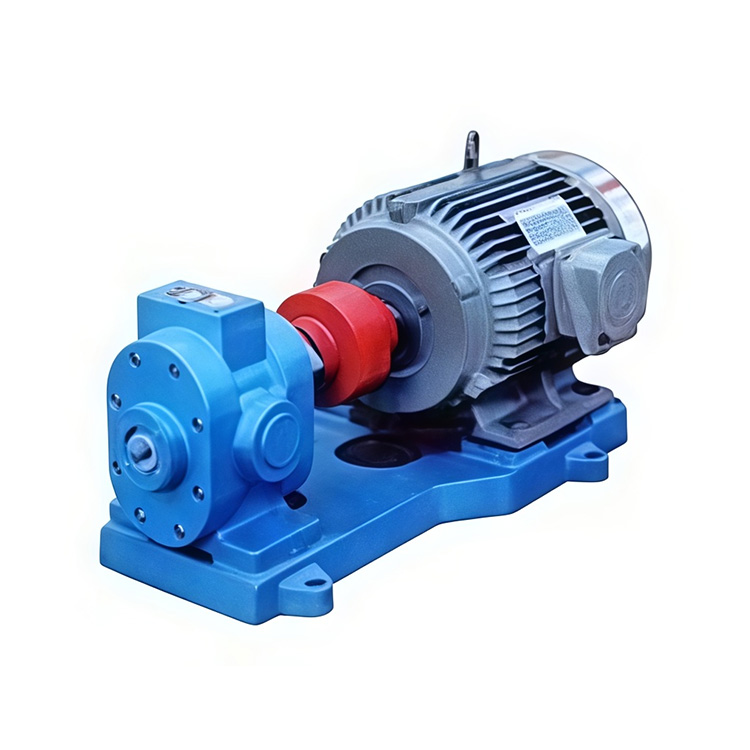
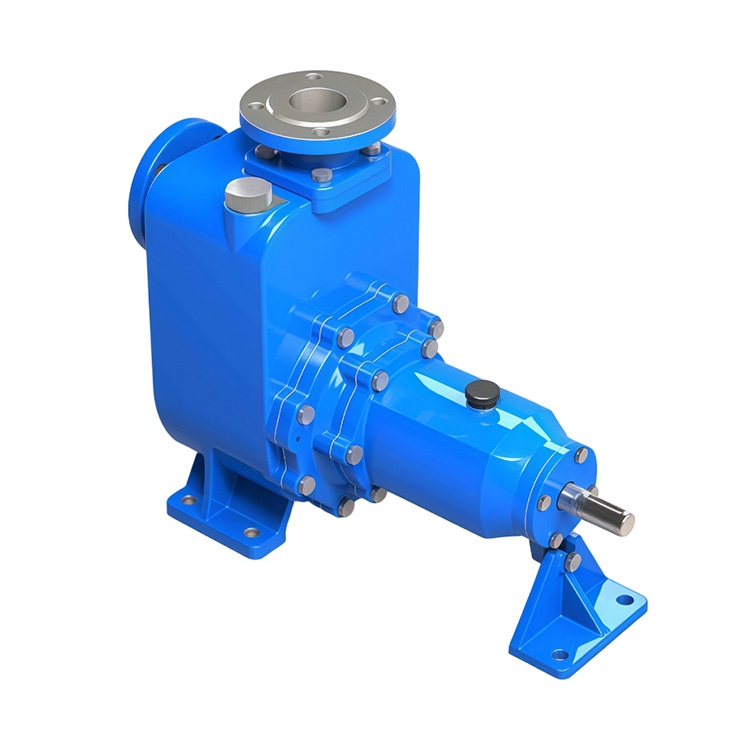
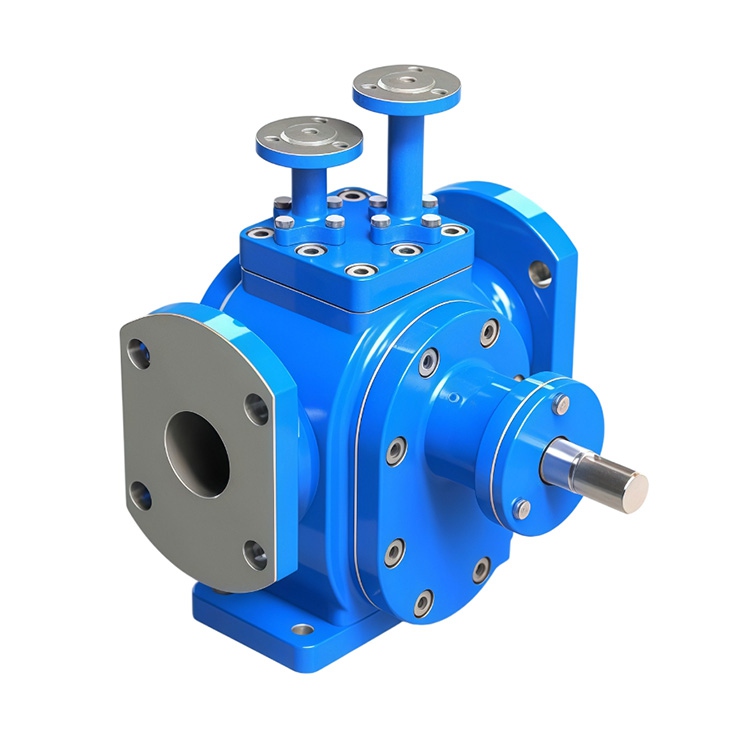
 Recommended Products
 Contact us
—— Contact:Mr. Shi
—— Tel:+86 15612730683
—— Email:btclyb@163.com
—— Url:https://www.tianyi-pump.com
—— Address:260 meters east of Xiaoquan Village Committee, Bozhen, Botou City, Cangzhou City, Hebei Province