
NewsDetails
Fault Analysis of Insufficient Flow and Poor Suction in High-Viscosity Pumps
author:Tianyi Pump time:2026-06-24 14:53:05 Click:143
Fault Analysis of Insufficient Flow and Poor Suction in High-Viscosity Pumps
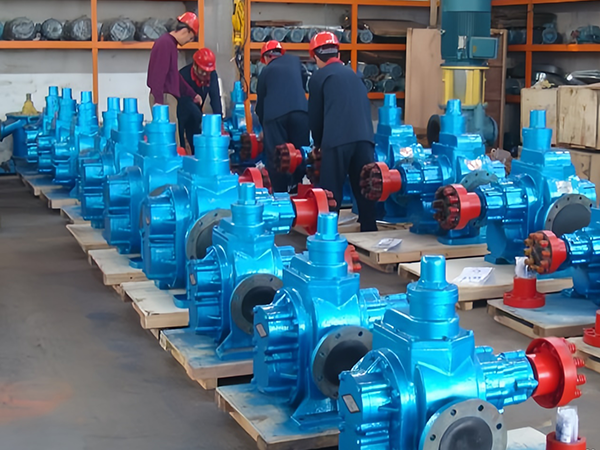
High-viscosity pumps such as Circular Arc Gear Pumps are widely used in petroleum, resin, asphalt, grease, food syrup, and chemical slurry transfer systems. When operating conditions are not properly matched, the pump may exhibit insufficient flow rate or difficulty in suction. These problems are typically not caused by a single factor but result from a combination of hydraulic, mechanical, and system-level issues. A systematic analysis is essential for accurate troubleshooting and effective correction.
Increased Medium Viscosity and Flow Resistance
The most common cause of suction and flow problems is excessive fluid viscosity.
As viscosity increases, internal friction within the fluid rises sharply, significantly increasing suction resistance and reducing flow velocity. The pump must overcome higher torque demand, which may exceed system capability.
When viscosity exceeds the pump’s design range, volumetric efficiency drops and suction filling becomes unstable.
Temperature fluctuations often aggravate this issue by further increasing viscosity during operation.
Insufficient Suction Pressure and NPSH Deficiency
High-viscosity pumps require stable inlet conditions to ensure proper filling.
If suction lift is too high, inlet piping is too long, or pipe diameter is too small, available Net Positive Suction Head (NPSH) becomes insufficient. This leads to incomplete chamber filling and reduced discharge flow.
Cavitation may also occur under low inlet pressure conditions, further degrading performance.
Air Leakage in Suction System
Air ingress is a critical factor affecting suction performance.
Loose flange connections, damaged seals, or cracked suction lines can introduce air into the system. Air bubbles reduce effective pumping volume and disrupt continuous flow.
Even small air leaks can cause intermittent suction failure and unstable flow output in high-viscosity systems.
Blocked or Restricted Pipeline
Partial blockage in suction or discharge pipelines significantly reduces flow capacity.
Accumulated sludge, solidified material, or filter clogging increases hydraulic resistance and may cause pump starvation. In high-viscosity applications, low temperature can further solidify the medium inside pipelines.
Strainers and filters are frequent locations for blockage.
Internal Wear and Increased Clearance
Wear of gears, side plates, and bushings increases internal leakage.
As clearance grows, more fluid flows backward from discharge to suction side, reducing net output flow. This condition is often gradual and may be mistaken for system-related issues.
Internal wear leads to both reduced flow rate and lower pressure stability over time.
Improper Pump Speed Selection
Operating the pump at too low speed reduces volumetric output, while excessive speed may cause suction starvation.
Variable-frequency control systems must be properly configured to maintain an optimal speed range.
Incorrect speed settings are a common cause of perceived “low flow” problems.
Relief Valve Malfunction
A stuck or improperly adjusted relief valve may divert flow back to the suction side or tank.
This reduces effective discharge flow and creates the impression of insufficient pump output.
Contaminants or spring fatigue can also affect valve responsiveness.
Installation and System Design Issues
Poor system design is a major contributing factor.
Excessive suction lift, undersized pipelines, excessive elbows, or improperly positioned pumps increase resistance and reduce suction capability.
A well-designed piping system is essential for ensuring stable flow and preventing suction-related failures.
Diagnostic Approach
Effective troubleshooting should follow a systematic process.
First, verify fluid viscosity and temperature conditions. Second, inspect suction pipelines for leaks, blockage, and valve position. Third, check filter condition and differential pressure. Fourth, evaluate pump wear condition by measuring pressure and flow trends.
Motor current and vibration analysis can also provide valuable diagnostic information.
Corrective Measures
Solutions include reducing fluid viscosity through heating, improving suction conditions, enlarging pipeline diameter, cleaning or replacing filters, repairing air leaks, and adjusting pump speed.
Severely worn internal components may require repair or replacement to restore performance.
Conclusion
Insufficient flow and suction difficulties in high-viscosity pumps are typically caused by a combination of high fluid viscosity, poor suction conditions, air leakage, pipeline blockage, internal wear, and improper operating parameters. A systematic diagnostic approach combined with hydraulic optimization and proper maintenance is essential for restoring stable pump performance and ensuring long-term reliability.
References
Pump Handbook, Fourth Edition, McGraw-Hill Education
Hydraulic Institute Standards for Rotary Positive Displacement Pumps
Industrial Viscous Fluid Pumping Troubleshooting Guide
API Recommended Practices for Pump System Diagnostics
Machinery Reliability and Maintenance Engineering Manual
 Recommended Products
 Contact us
—— Contact:Mr. Shi
—— Tel:+86 15612730683
—— Email:btclyb@163.com
—— Url:https://www.tianyi-pump.com
—— Address:260 meters east of Xiaoquan Village Committee, Bozhen, Botou City, Cangzhou City, Hebei Province